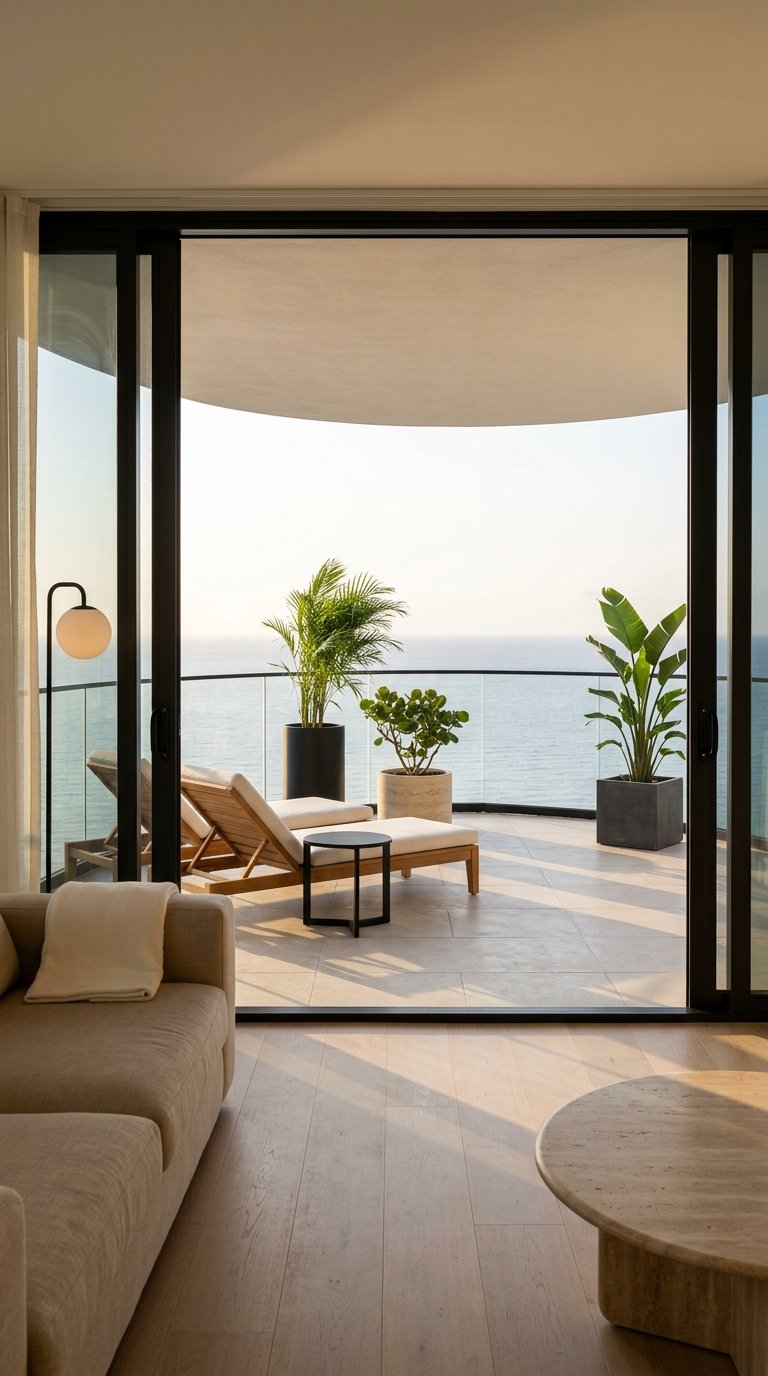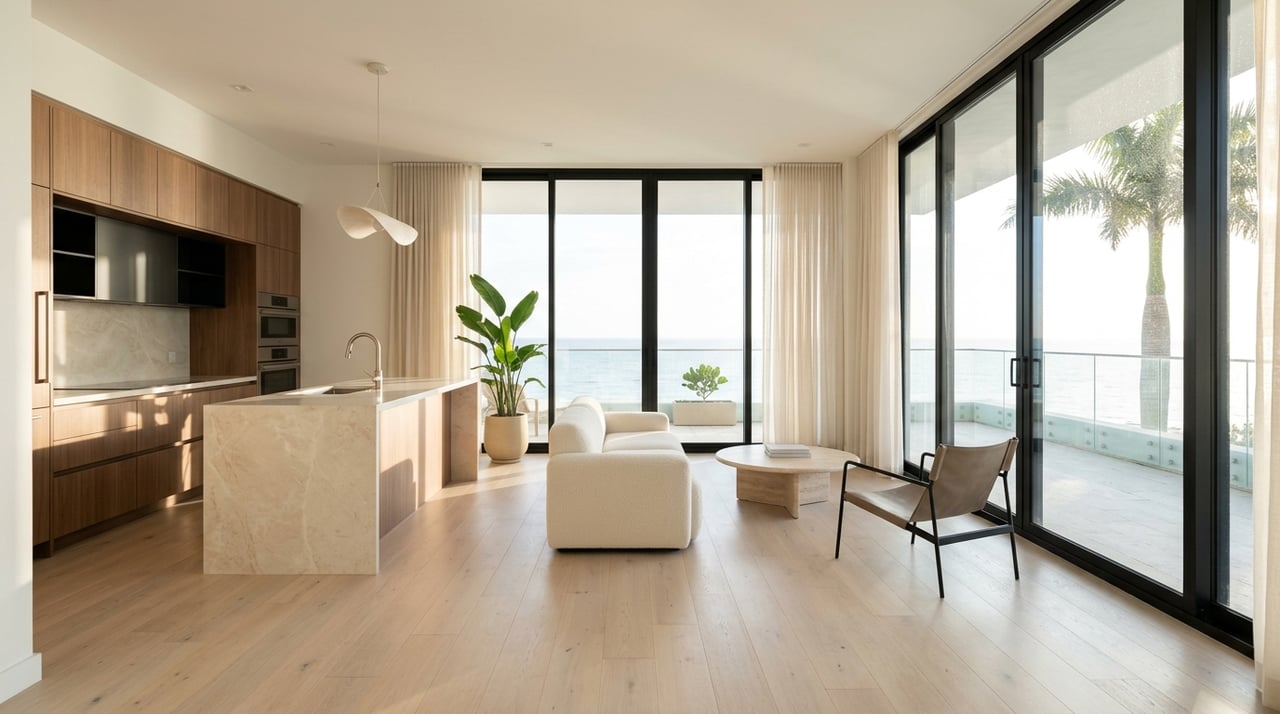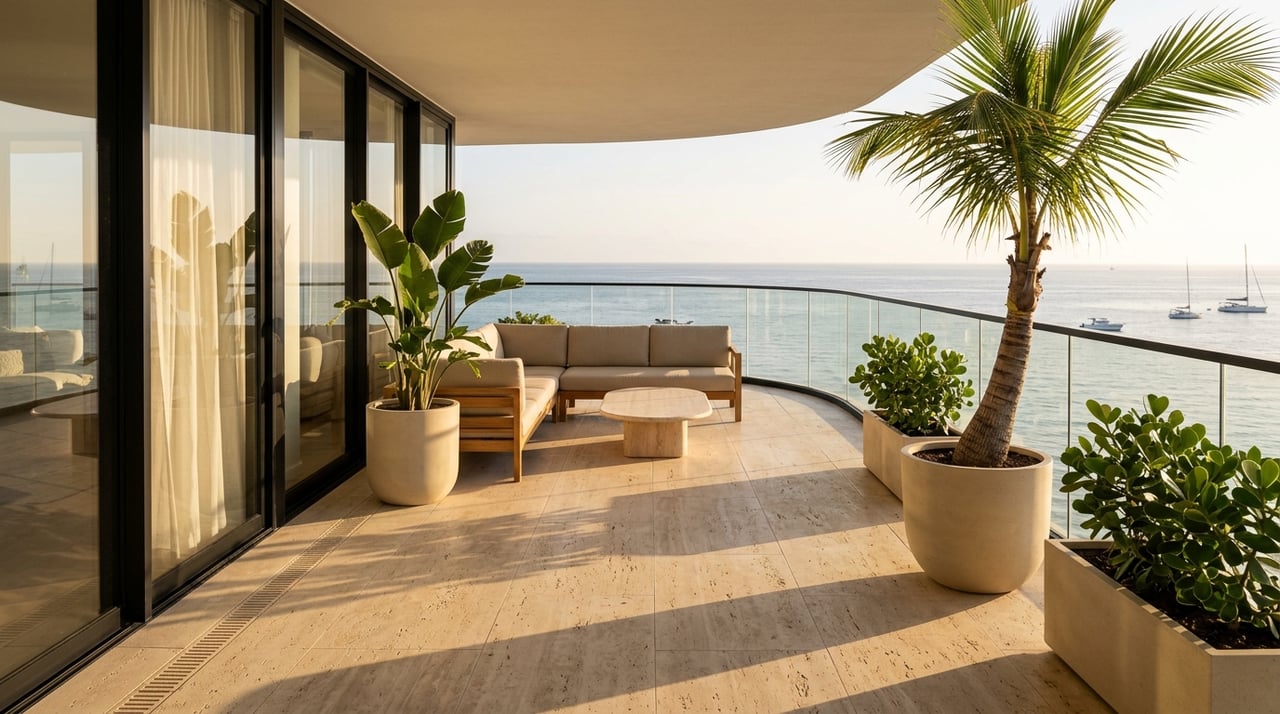
Looking for a Miami waterfront lifestyle that feels polished without feeling overbuilt? Coconut Grove stands apart for exactly that reason. If you are considering a waterfront condo here, it helps to understand how the bay, the parks, the marina, and the village setting all shape daily life. Let’s take a closer look.
Why Coconut Grove Feels Different
Coconut Grove is Miami’s oldest neighborhood, with roots dating to the 1870s. Today, it is widely known for tree-shaded streets, waterfront parks, boutiques, and restaurants that create a more layered, village-style setting than many other parts of Miami.
That character is not accidental. The City of Miami identifies Coconut Grove NCD-2 and NCD-3 as neighborhood conservation overlays, with community concerns centered on tree preservation, lot coverage, residential density, and historic character. For you as a condo buyer, that helps explain why the area often feels lush, established, and closely tied to its landscape.
Waterfront Living Centers on the Bay
In Coconut Grove, the water is more than a backdrop. It shapes how you spend your mornings, your weekends, and even simple errands close to home.
Dinner Key Marina is a major part of that lifestyle. The City of Miami describes it as a 587-slip marina with more than 250 moorings, serving transient, seasonal, long-term, and liveaboard users. It also offers practical amenities such as parking, laundry, restrooms, a dinghy dock, shuttle service, and pump-out service.
Just as important, Dinner Key Marina is a short walk from the village and CocoWalk. That means your waterfront routine can feel connected to everyday life rather than separated from it.
Parks Add Everyday Breathing Room
A big part of waterfront condo living in Coconut Grove is access to public outdoor space. This is one reason the neighborhood often feels relaxed and residential even in the middle of Miami.
Peacock Park is a 9.4-acre waterfront urban park with direct access to the Intracoastal Waterway and a planned kayak launch. Regatta Park sits beside Dinner Key Marina and is known for bayfront views, a boat ramp, and its setting along the area around the largest marina in Miami.
For a quieter bayfront experience, The Barnacle Historic State Park offers shaded grounds, shorefront scenery, walking, picnicking, and sailboat views. If you value outdoor time, these spaces make the waterfront feel usable, not just scenic.
Sailing Is Part of the Culture
Coconut Grove is closely associated with sailing, and that changes the tone of the neighborhood. Greater Miami tourism even describes it as Miami’s sailing capital.
That identity shows up in places and events like the Coconut Grove Sailing Club, Miami Sailing Week, and the Bacardi Cup. For you, this means bayfront living here can feel active and social, with a strong connection to boating and on-the-water recreation.
What Daily Life Can Look Like
Waterfront condo living in Coconut Grove often blends casual luxury with convenience. You may start your day with a walk by the bay, fit in a workout nearby, and still be a short trip from shopping, dining, or transit.
CocoWalk helps anchor that routine. It is an open-air shopping destination with boutiques, restaurants, a cinema, and a Pilates-style studio. The neighborhood also hosts the Coconut Grove Farmer’s Market on Saturdays and the Vizcaya Village Farmers Market on Sundays, which adds to the local weekly rhythm.
The area’s wellness and outdoor options round out the lifestyle. The neighborhood guide highlights Peacock Park, The Barnacle, sailing lessons at Coconut Grove Sailing Club, BodyRok at CocoWalk, and The Ritz-Carlton Spa Coconut Grove as part of the mix.
Dining Feels Close and Unforced
One of Coconut Grove’s strengths is that the waterfront dining scene feels integrated into residential life. It does not read like a visitor-only district.
Glass & Vine sits beneath the oak canopy at Peacock Park. Regatta Grove offers an open-air waterfront setting overlooking Biscayne Bay, while Bayshore Club sits on the historic Dinner Key dockside. Monty’s Raw Bar remains one of the neighborhood’s longtime waterfront institutions.
For buyers who want a lifestyle that feels refined but easy, this kind of dining access can be a real advantage. You are not choosing between residential calm and social energy. In Coconut Grove, the two often work together.
Getting Around From the Grove
Many buyers want to know whether waterfront living here feels isolated from the rest of Miami. In practice, Coconut Grove offers useful mobility for an urban waterfront neighborhood.
The City of Miami trolley serves Coconut Grove Monday through Saturday. It connects parks, shopping areas, City Hall, Coconut Grove Metrorail Station, and Douglas Road Metrorail Station.
Miami-Dade also reports that Coconut Grove Metrorail Station reopened in May 2025 after renovations. The Metrorail system connects through Coral Gables, downtown Miami, and Miami International Airport, which can make the neighborhood more practical for full-time residents and lock-and-leave buyers alike.
What Buyers Should Verify First
Before you fall in love with the view, it is smart to understand the ownership details that come with waterfront property in Miami-Dade. This is where careful due diligence matters most.
Miami-Dade County explains that flood maps are used to identify flood risk and that the county is especially susceptible to flooding from major rain events and storm surge. The county also notes that condo owners should understand the drainage system their association maintains.
If you are financing the purchase, this can also affect insurance requirements. Miami-Dade states that flood insurance is required for federally backed mortgages in Special Flood Hazard Areas.
Dockage Should Never Be Assumed
If boating access is part of your vision, verify the details early. Not every waterfront condo purchase comes with the same marina setup, and proximity to the bay does not automatically mean immediate slip access.
The City of Miami says Dinner Key’s annual slips are currently full and are filled from a waitlist, although transient dockage can be arranged separately. For buyers who plan to keep a boat nearby, this is an important question to address before making a decision.
Why the Neighborhood May Hold Its Feel
Coconut Grove’s physical character is one of its biggest draws, especially for buyers comparing it with denser waterfront districts. The neighborhood’s conservation overlays help explain why the setting often feels more visually layered and less driven by a pure high-rise skyline experience.
According to the City of Miami, local feedback tied to the neighborhood conservation districts has focused on tree preservation, density, lot coverage, and historic character. While every property is different, this broader framework helps support the Grove’s established look and feel over time.
Who Waterfront Condo Living Suits Best
Coconut Grove waterfront condo living can appeal to several types of buyers. It may be a strong fit if you want design-forward, low-maintenance ownership with close access to the bay, outdoor space, and a neighborhood setting that feels more intimate than many other Miami waterfront locations.
It can also work well if you value a lifestyle shaped by walking, sailing, dining, and wellness-oriented routines. For buyers weighing both resale and newer luxury condo opportunities, the key is understanding how each building connects to the marina, parks, village core, and transportation options that matter most to your day-to-day life.
If you are exploring waterfront condos in Coconut Grove, the right guidance can help you look beyond the brochure and focus on how a building will actually live. To discuss opportunities in the Grove with a trusted Miami luxury advisor, connect with Susan Trevisa.
FAQs
What is Coconut Grove waterfront condo living like?
- Coconut Grove waterfront condo living is shaped by bay access, marina activity, waterfront parks, walkable dining, and a village-style setting with tree-lined streets and an established neighborhood feel.
What makes Coconut Grove different from other Miami waterfront areas?
- Coconut Grove often feels more landscape-oriented and residential because of its mature tree canopy, waterfront parks, village core, and neighborhood conservation overlays focused on density, lot coverage, tree preservation, and historic character.
How important is Dinner Key Marina to Coconut Grove living?
- Dinner Key Marina is a major lifestyle anchor in the neighborhood, offering 587 slips, more than 250 moorings, and a short walk to the village and CocoWalk.
Can you count on getting a boat slip near a Coconut Grove condo?
- No, you should verify dockage directly because the City of Miami says Dinner Key’s annual slips are full and assigned through a waitlist, while transient dockage is handled separately.
What should buyers check before purchasing a waterfront condo in Coconut Grove?
- Buyers should review flood risk, insurance requirements, and building-level responsibilities such as the drainage systems maintained by the condo association.
Is Coconut Grove connected to the rest of Miami without relying only on a car?
- Coconut Grove has a city trolley route and access to Metrorail, including connections to Coral Gables, downtown Miami, and Miami International Airport.
Are there public waterfront spaces near Coconut Grove condos?
- Yes, key public waterfront spaces include Peacock Park, Regatta Park, and The Barnacle Historic State Park, each offering different ways to enjoy the bayfront setting.
Is Coconut Grove a good fit for lifestyle-driven condo buyers?
- It can be a strong fit if you want a waterfront home that combines low-maintenance living with access to parks, sailing culture, dining, shopping, and a more relaxed neighborhood atmosphere.